Sleep
The nights are the hard part. These guides explain how baby sleep actually works — wake windows, naps, night wakings, and gentle ways to help everyone rest.

Baby sleep changes shape every few weeks, which is why the advice that fit in month two stops fitting by month five. These guides start with the two things that explain most of it: how long your baby can comfortably stay awake at each age, and what a safe sleep space looks like from the first night onward.
From there you can follow the arc — the nap ladder from four naps down to one, the night stretches that lengthen on their own, and the 4 AM wake-ups that have more causes than most parents are told about. Every guide follows the guidance pediatricians use, and every one of them assumes your baby is normal.
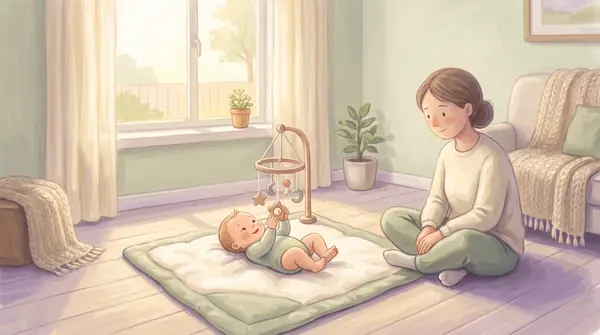
Wake Windows by Age: Newborn to Toddler Chart
Typical wake windows by age — 30–90 minutes for newborns up to 3–4 hours by 12 months — plus sleepy cues to watch and how to adjust when naps run long.
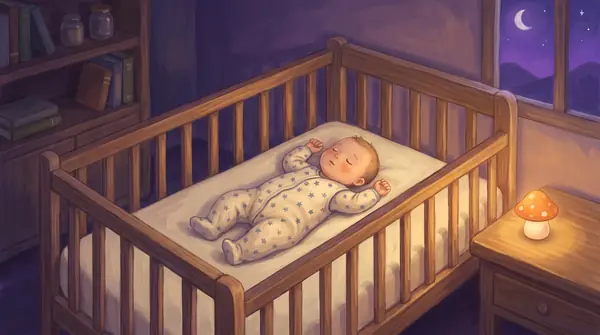
Safe Sleep for Babies: Crib Setup, Position, and Temperature
A safe sleep space is simple: a bare, firm crib, back-sleeping every time, and a comfortably cool room. The AAP guidance, explained calmly.
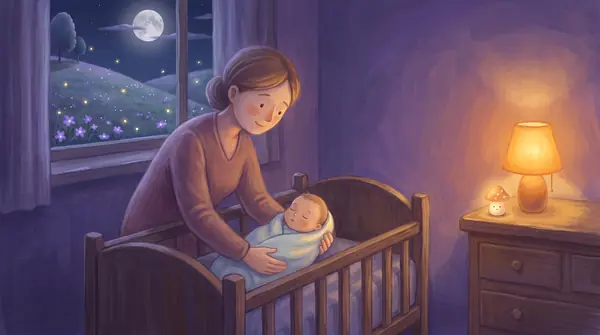
Newborn Sleep Schedule: Birth to 12 Weeks
Newborn sleep runs on hunger and wake windows, not the clock. What a typical day looks like from birth to 12 weeks — and what not to worry about.
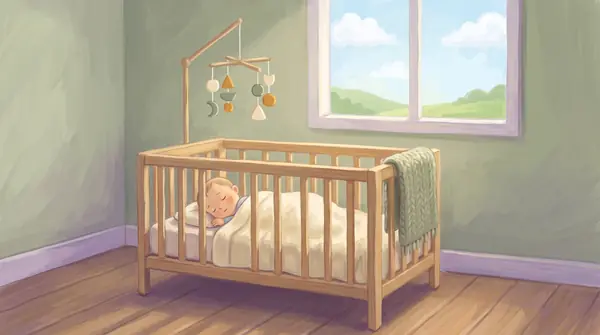
Baby Sleep Schedules by Age: 3 to 12 Months
Sample sleep schedules for 3 to 12 months — wake windows, nap counts, and bedtimes by age, and how they shift as naps consolidate.
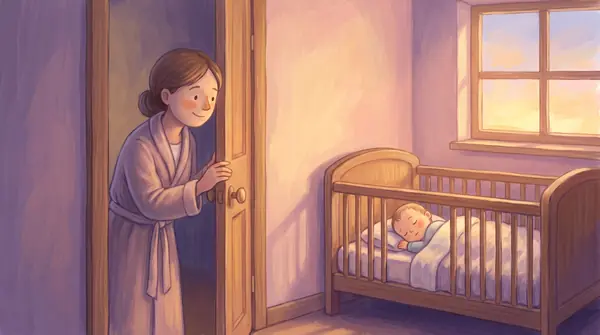
Sleeping Through the Night: What to Expect and When
Most babies sleep longer stretches between 3 and 6 months — and "through the night" means about 6 hours, not 12. What shapes the timeline for your baby.

Do Newborns Need a Sleep Schedule?
Not yet — in the newborn months, an unpredictable sleep rhythm is normal and expected, and the clock isn't a reliable guide until closer to 6 months.

Building a Bedtime Routine That Actually Works
A short, repeatable wind-down teaches your child's body that sleep is coming. What to include at every age — and why consistency beats the exact steps.
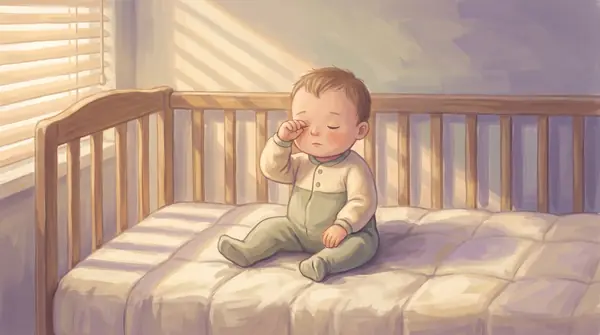
Short Baby Naps: Why They Happen and How to Lengthen Them
Short naps are often a normal stage, not a problem to fix. Why naps of 45 minutes or less happen, when they lengthen on their own, and what helps.
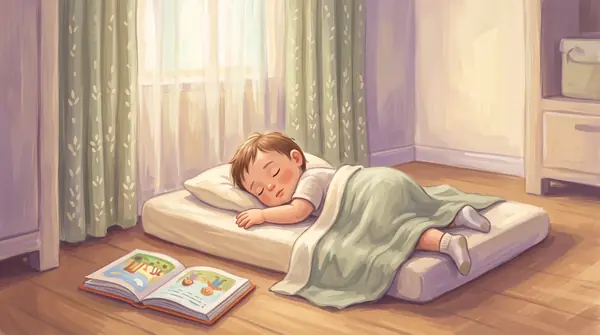
Nap Transitions by Age: Moving From Four Naps to None
Every nap your child eventually drops is really a sign of a longer, sturdier stretch of awake time underneath — not a rhythm breaking down.
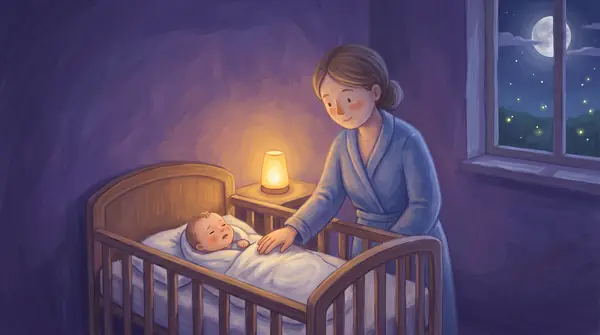
Sleep Regressions by Age: Causes and How to Help
The 4-month, 8-month, 12-month, 18-month, and 2-year sleep regressions: what's really happening at each age and how to help without starting over.
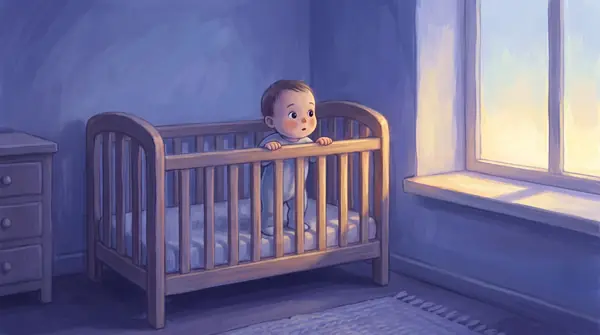
Baby Waking at Night or Too Early: Causes and What Helps
Frequent night waking and too-early mornings usually trace to a handful of causes — sleep pressure, light, timing — each with a practical fix.
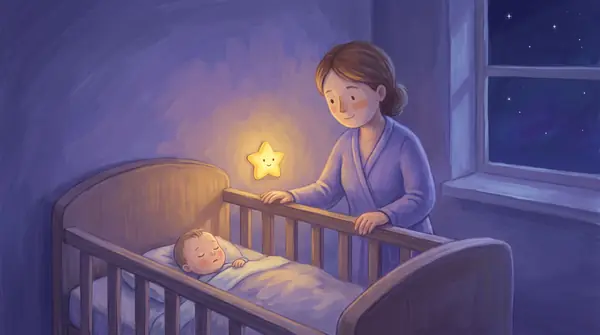
Sleep Training: What It Is and How to Know You're Ready
Sleep training means helping your baby fall asleep independently — there's no single right method. Signs of readiness and how to pick an approach.

Cry It Out vs. Ferber: What the Research Says
Cry it out vs. the Ferber method: how each works, what the research actually shows about crying and attachment, and how to choose for your family.

Why Toddlers Fight Sleep: Bedtime Resistance and Stalling
Why toddlers and preschoolers fight bedtime — shifting sleep needs, new independence, real fears — and calm, practical ways to end the nightly standoff.
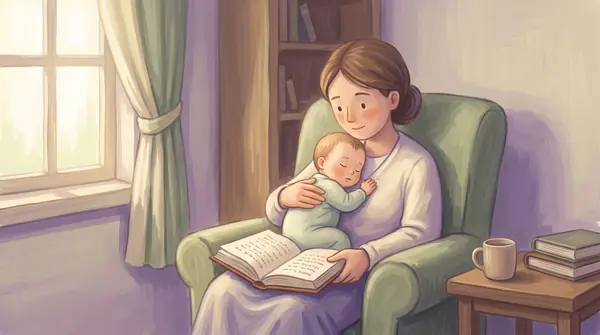
Contact Napping: When It's Okay and How to Transition
Contact napping is normal and often valuable. When it's safe, when it works for your family, and how to move naps to the crib gently when you're ready.
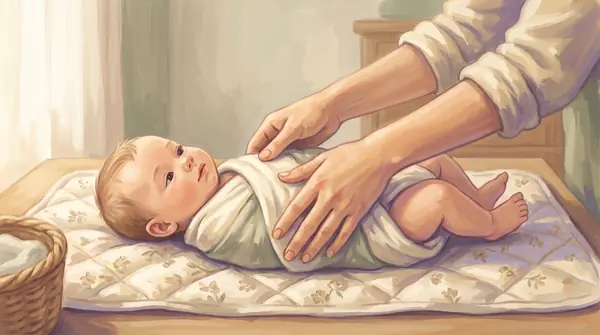
How to Swaddle a Baby: Technique, Safety, and When to Stop
Swaddling can be a genuinely helpful sleep tool for many newborns, but it comes with real technique and timing rules worth knowing before you start.

The 12-Month Sleep Regression: Signs and What Helps
Around the first birthday many babies flirt with one nap too early. Why the 12-month sleep wobble is usually a false alarm, and what helps.

The 15-Month Sleep Regression: Signs and What Helps
Fifteen months often means the two-to-one nap transition in disguise. How to tell, how to move to one nap gently, and what helps nights.

The 18-Month Sleep Regression: Signs and What Helps
Independence, molars, and a new word for everything: no. What the 18-month sleep regression looks like and calm ways to hold the line.

The 2-Year Sleep Regression: Signs and What Helps
At two, sleep trouble is usually big feelings, bedtime stalling, or the nap changing shape. What is typical and what genuinely helps.

The 6-Month Sleep Regression: Signs and What Helps
Around six months, new skills and a changing nap shape can unsettle nights. What the 6-month sleep regression looks like and how to steady it.
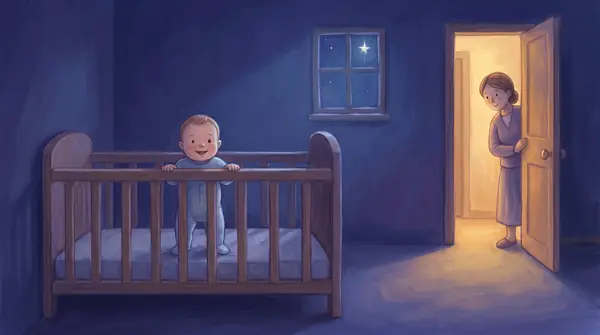
The 8-Month Sleep Regression: Signs and What Helps
Crawling, pulling to stand, and separation feelings can shake sleep around eight months. What to expect and what actually helps.
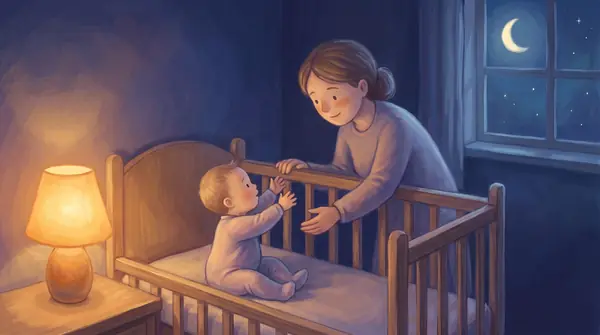
The 9-Month Sleep Regression: Signs and What Helps
Nine-month-olds practice big skills at 2 AM. Why sleep wobbles now, how long it usually lasts, and calm ways through it.
Meet Nooma — the app these guides come from.
A calm, private tracker that learns your baby’s rhythm and tells you what’s likely coming next. Coming to the App Store.